Cuban Breakfast: Tostada, Café con Leche and What Else to Eat
A traditional Cuban breakfast is simple: a tostada, which is Cuban bread split, buttered and pressed until crisp, served with a cup of café con leche (hot milk with strong, sweetened coffee) for dunking. Heartier versions add eggs, ham and cheese on Cuban bread, and sometimes rice and black beans with picadillo.
What lands on the plate depends on the day and the appetite. A weekday morning in a Cuban home or a Miami coffee window can be just toast and coffee. A weekend breakfast or brunch tends to be bigger, with egg sandwiches, pastries and savory plates.
What is a traditional Cuban breakfast dish?
The traditional Cuban breakfast dish is the tostada with café con leche. Cuban bread is a long, light loaf with a thin, crackly crust and a soft crumb. For a tostada, the loaf is cut into a length, sliced open, spread with butter and flattened on a griddle or sandwich press until golden. You then tear off pieces and dip them into the coffee.
Other dishes on a Cuban breakfast table include:
- Egg, ham and cheese on Cuban bread. Eggs, sliced ham and Swiss cheese pressed inside buttered Cuban bread make a filling handheld breakfast.
- Fried eggs with rice and beans. A savory plate can pair eggs with white rice, black beans and picadillo, a seasoned ground beef dish.
- Tortilla. In Cuban cooking, a tortilla is an omelet, not a flatbread; it can be plain or filled with potatoes, ham or onion.
- Pastelitos. These are flaky puff pastries with fillings such as guava, guava and cream cheese, or seasoned meat, often eaten with coffee.
- Something sweet. Flan and other custard desserts sometimes show up on Cuban brunch menus.
What is Cuban coffee called?
Cuban coffee is called café cubano, and a small serving is often called a cafecito. It is a strong, dark-roast espresso-style coffee sweetened as it brews. The classic home method uses a stovetop moka pot: the first drops of coffee are whipped with sugar into a pale, thick paste called espumita, then the rest of the coffee is stirred in, leaving a light foam on top.
At breakfast, Cuban coffee comes in several forms:
| Drink | What it is | How it’s served |
|---|---|---|
| Café cubano (cafecito) | Sweetened, strong espresso-style coffee | Small cup, sipped quickly |
| Colada | A larger amount of café cubano | Poured into tiny cups to share with others |
| Cortadito | Café cubano “cut” with a little steamed milk | Small cup, sweet and creamy |
| Café con leche | Hot or steamed milk with café cubano | Large cup or mug, the classic partner for tostada |
If you are making café con leche at home, warm the milk in a small saucepan until it steams, pour it into a mug and add sweetened Cuban coffee to taste. A darker roast gives the bold flavor that holds up to the milk.
What is Cuban bread, and what can you use instead?
Cuban bread is a white loaf traditionally made with lard, which gives it a tender crumb and a thin, crisp, flaky crust when toasted or pressed. Traditional bakers lay a strip of palmetto leaf along the top before baking, which leaves a split down the center of the loaf.
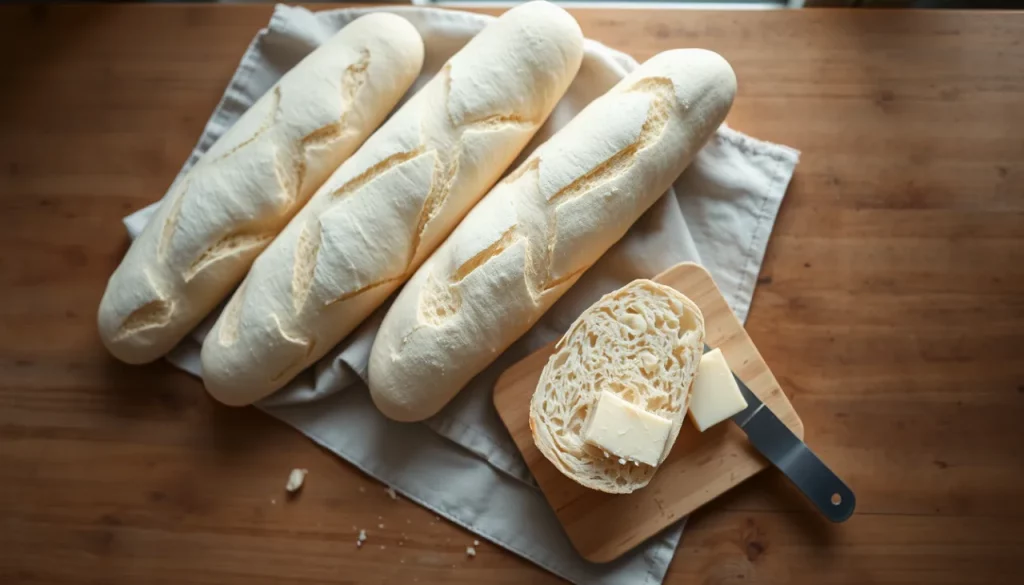
If you cannot find Cuban bread, a soft French or Italian loaf with a thin crust is the closest substitute. Skip crusty artisan loaves with chewy, thick crusts; they do not flatten well in a press and can scrape the roof of your mouth.
Cuban breakfast sandwich recipe
A Cuban breakfast sandwich is buttered Cuban bread pressed with eggs, ham and Swiss cheese. This version makes 4 sandwiches and takes about 20 minutes.
Ingredients
- 1 loaf Cuban bread (or a soft French loaf)
- 4 large eggs
- 4 slices Swiss cheese
- 4 to 8 thin slices cooked ham
- 3 tablespoons (42 g) butter, softened, divided
- Salt and pepper
- Optional: yellow mustard or thin pickle slices
Steps
- Cut the bread. Cut the loaf into 4 equal pieces and slice each one open lengthwise, leaving a hinge if you can.
- Cook the eggs. Melt 1 tablespoon butter in a nonstick skillet over medium heat. Fry or scramble the eggs with a pinch of salt and pepper until the whites and yolks are firm, not runny, about 3 to 4 minutes.
- Warm the ham. Add the ham to the skillet for about 1 minute per side so it is hot in the center of the sandwich.
- Build the sandwiches. Spread mustard inside the bread if using. Layer ham, egg and a slice of Swiss cheese in each piece.
- Butter the outside. Brush or spread the remaining butter on the top and bottom of each sandwich.
- Press. Cook in a sandwich press or panini grill, or in a skillet over medium heat with a heavy pan set on top, about 2 to 4 minutes per side, until the crust is crisp and golden and the cheese melts.
- Serve hot. Cut diagonally and serve with café con leche.
Swaps: Use roast pork in place of ham for a breakfast take on the classic Cuban sandwich. Use provolone or another melting cheese if you do not have Swiss. For a lighter version, skip the cheese and press only buttered bread for a plain tostada.
Food safety and storage
Cook eggs until both the white and the yolk are firm; egg dishes are done at 160°F (71°C). Do not leave the sandwiches at room temperature for more than 2 hours, or more than 1 hour when it is above 90°F (32°C). Refrigerate leftovers at 40°F (4°C) or below and eat them within 3 to 4 days. Reheat to 165°F (74°C) in a skillet, toaster oven or oven at 350°F (175°C) until hot through; the oven keeps the crust crisper than the microwave.
Are Cuban sandwiches Cuban?
The Cuban sandwich has roots in Cuba but grew up in Florida, in the Cuban immigrant communities of Tampa, Key West and Miami. The classic Cuban sandwich layers roast pork, ham, Swiss cheese, pickles and mustard on Cuban bread, pressed flat. The Tampa version adds salami, a nod to the city’s Italian immigrants.
The Cuban sandwich itself is usually a lunch item rather than breakfast. The breakfast Cuban, with eggs added or swapped in for the roast pork, is a newer American cafe creation built on the same bread and pressing method.
Where to get a Cuban breakfast in the US
Cuban breakfast is easiest to find in South Florida, where Cuban bakeries and coffee windows serve tostadas, pastelitos and cafecito from early morning. Cuban cafes in other cities, including New York and towns along Florida’s east coast, also serve breakfast plates and egg sandwiches.
When you search for a spot near you, look for a bakery that makes or sells fresh Cuban bread and a menu listing café con leche, cortadito and pastelitos. Hours and menus change, so check a restaurant’s current listing before you go.
FAQ
– What are the most popular Cuban breakfast dishes?
Staple Cuban breakfast dishes include tostada with café con leche, egg sandwiches on Cuban bread and guava pastelitos. Bigger breakfasts may add fried eggs with rice, black beans or picadillo. A Cuban tortilla, which is an omelet, is another option.
– How do you eat a Cuban tostada?
A Cuban tostada is eaten by dipping it into café con leche. The buttered, pressed bread soaks up the sweet coffee and milk. Many people tear it into pieces rather than biting from the full length.
– What is the difference between a cortadito and a café con leche?
A cortadito is mostly Cuban coffee with a small splash of steamed milk, while café con leche is mostly milk with a shot of Cuban coffee. A cortadito comes in a small cup. Café con leche is served in a larger cup and is the usual partner for tostada.
– Can you make Cuban coffee without a moka pot?
Yes, you can make a close version of Cuban coffee with an espresso machine or very strong brewed dark-roast coffee. Stir a little of the hot coffee into sugar and whip it until pale and thick, then add the rest. The moka pot simply gives the traditional strength and texture.